Tips for Creating a Relaxing and Productive Home Office Environment
Creating a home office that is both relaxing and productive can seem challenging, especially when your workspace shares space with your living area. However, with a few thoughtful adjustments and design choices, you can build an environment that supports focus and reduces stress. Whether you work remotely full-time or occasionally, making your home office a pleasant and efficient place to be is a worthwhile investment.
Choose the Right Location
Finding the ideal spot for your home office is the first step. Consider these factors:
– Natural Light: Select a space near a window if possible. Natural light helps reduce eye strain and lifts your mood.
– Quiet Area: Aim for a location away from household noise like TVs or busy kitchens.
– Space Size: Make sure there’s enough room for your desk, chair, and any equipment without feeling cramped.
If space is limited, even a corner of a room can be optimized to create a distinct workspace.
Invest in Comfortable and Functional Furniture
Your furniture plays a major role in both comfort and productivity:
– Ergonomic Chair: Choose a chair that supports good posture to avoid fatigue and back pain.
– Appropriate Desk: Select a desk at a comfortable height with enough surface area for your work essentials.
– Storage Solutions: Add shelves, drawers, or organizers to keep your workspace tidy and clutter-free.
Comfortable furniture encourages longer periods of focused work and helps maintain physical well-being.
Optimize Lighting
In addition to natural light, good artificial lighting can reduce eye strain:
– Task Lighting: Use a desk lamp with adjustable brightness and direction.
– Ambient Lighting: Overhead lights should be soft and evenly distributed.
– Avoid Glare: Position screens and lights to avoid reflections and glare.
Good lighting enhances visual comfort and overall mood.
Personalize Your Workspace Thoughtfully
A home office should feel welcoming without being distracting:
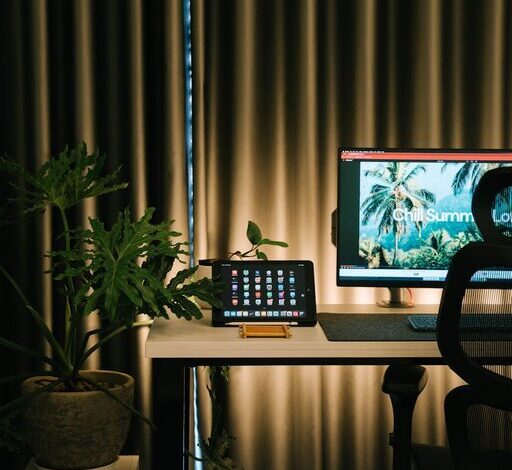
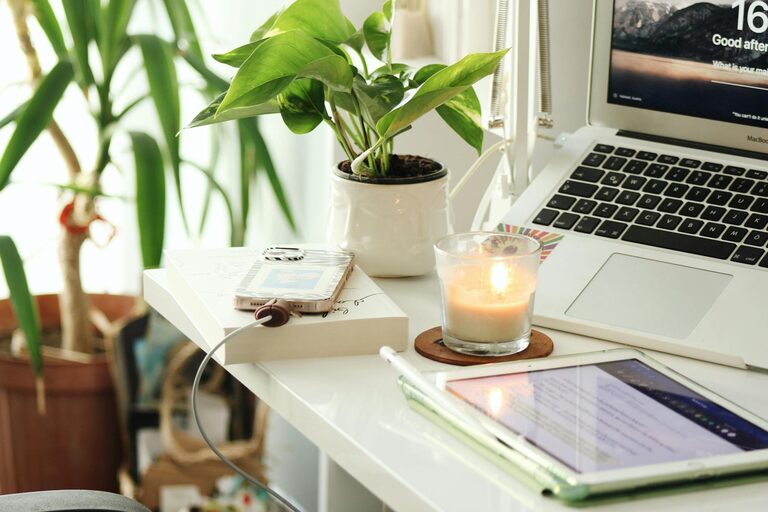
– Add Plants: Indoor plants improve air quality and add a calming natural element.
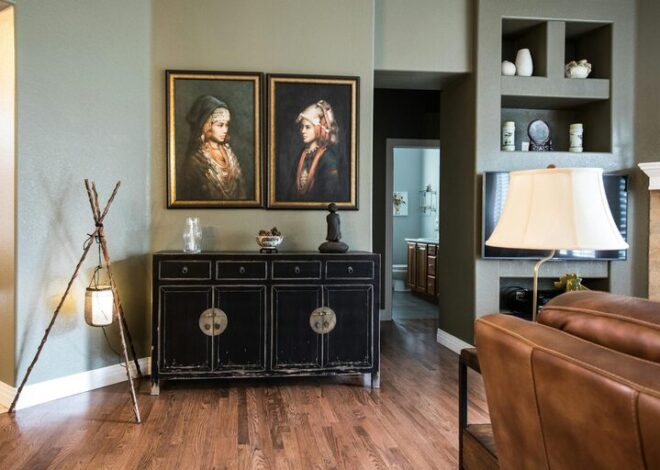
– Use Inspiring Art: Hang pictures or motivational quotes that uplift your spirits.
– Choose Soothing Colors: Soft blues, greens, or neutral tones promote relaxation.
– Keep Personal Items Minimal: A few meaningful objects can personalize the space but avoid clutter.
Balancing personalization with simplicity helps maintain focus and comfort.
Establish Organization Systems
Clutter can interfere with concentration. Implement strategies like:
– Cable Management: Use clips or sleeves to keep cords tidy.
– Digital Organization: Maintain folders and files on your devices for easy access.
– Daily Clean-Up Routine: Spend a few minutes at the end of each day tidying your desk.
Effective organization reduces distractions and maximizes efficiency.
Incorporate Sound Management
Noise levels impact your ability to concentrate and relax:
– Use Noise-Canceling Headphones: They block background sounds during focused work.
– White Noise Machines or Apps: Background sounds like rain or soft music can mask disruptive noise.
– Soundproofing: If possible, add rugs, curtains, or wall panels that absorb sound.
Managing noise creates a peaceful atmosphere conducive to productivity.
Set Boundaries and Schedule Breaks
Working from home blurs lines between work and rest—setting boundaries helps:
– Designate Work Hours: Define start and finish times to prevent overworking.
– Take Regular Breaks: Short pauses every hour improve focus and reduce fatigue.
– Limit Non-Work Activities: Keep social media and household chores outside your work time.
Clear boundaries protect your mental well-being and sustain productivity.
Incorporate Movement and Comfort Features
Physical comfort supports mental performance:
– Stretch or Walk: Stand up, stretch, or take brief walks to refresh your body.
– Adjustable Desk: Consider a sit-stand desk for varied posture options.
– Temperature Control: Keep the room at a comfortable temperature to avoid discomfort.
Including physical wellness in your routine enhances both relaxation and efficiency.
—
Creating a home office that balances relaxation and productivity requires attention to space, comfort, light, sound, and organization. By applying these tips, you can build a workspace that supports your work while promoting well-being. Remember, the best home office is one that fits your unique needs and helps you thrive every day.