Tips for Creating a Relaxing Home Office Environment to Boost Productivity and Comfort
Creating a relaxing home office is essential for maintaining focus, reducing stress, and improving overall productivity. When your workspace feels comfortable and inviting, it becomes easier to stay motivated and accomplish your tasks efficiently. Whether you’re working remotely full-time or occasionally from home, here are practical tips to help you build a calming environment tailored to your needs.
Choose the Right Location
Start by selecting a dedicated area in your home for your workspace. Ideally, this spot should be quiet, free from distractions, and have ample natural light. Avoid high-traffic zones where interruptions are frequent.
If space is limited, consider a corner of a room or a small nook that you can personalize. The key is consistency, so your brain associates this spot with work-related focus.
Invest in Comfortable Furniture
Comfort is crucial when you spend hours at your desk. Choose an ergonomic chair that supports your spine and promotes good posture. Adjustable height desks or standing desks can also reduce physical strain by allowing you to change positions during the day.
Your desk should be spacious enough to hold your computer, necessary accessories, and still leave room for writing or other tasks. Keep frequently used items within arm’s reach to minimize unnecessary movement.
Optimize Lighting
Good lighting helps reduce eye strain and improve your mood. Whenever possible, position your desk near a window to take advantage of natural daylight. Natural light also helps regulate your sleep-wake cycle by boosting serotonin levels.
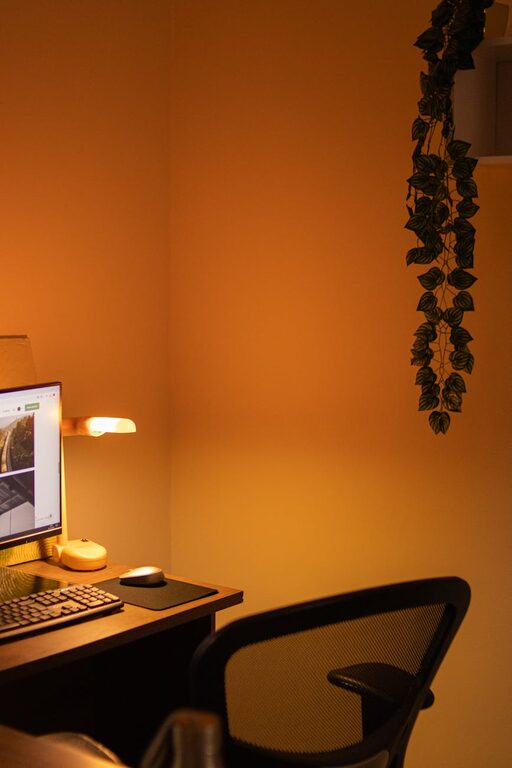
Supplement with adjustable task lighting like a desk lamp that allows you to control brightness and direction. Avoid harsh overhead lights, and reduce screen glare by properly positioning your monitor.
Declutter and Organize
A cluttered workspace can increase stress and make it harder to focus. Keep your desk tidy by regularly organizing papers, supplies, and gadgets. Use trays, drawers, or file organizers to keep everything neat and accessible.
Cable management solutions, such as clips or sleeves, help keep cords under control and maintain a clean look. Consider digital tools to reduce physical paperwork and paper clutter.
Add Elements of Nature
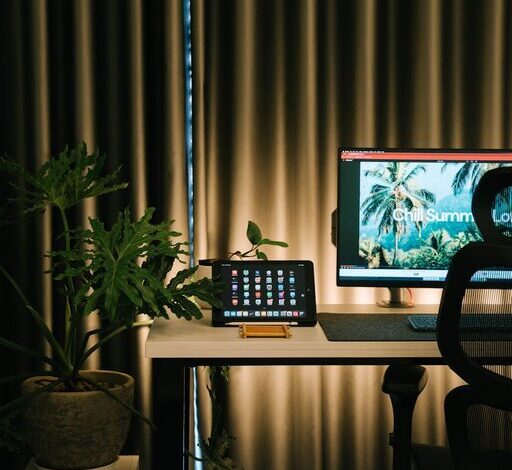
Bringing nature indoors can create a calming atmosphere. Add a small plant or two to your desk or nearby shelves. Plants help improve air quality and provide a visual break, which can enhance relaxation.
If you don’t have a green thumb, low-maintenance options like succulents or air plants are ideal. Even natural textures or nature-inspired artwork can bring some of this calm energy into your space.
Personalize Your Space
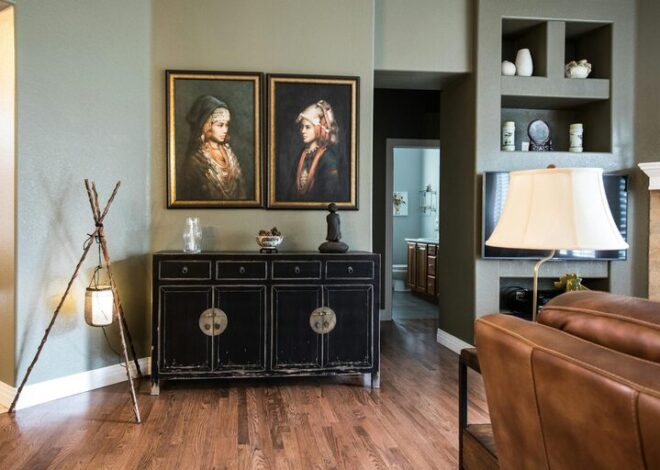
Your home office should feel welcoming and reflect your personality. Decorate with items that inspire you without creating distractions. Photos, artwork, or a favorite mug can make your workspace more enjoyable.
Choose calming colors like soft blues, greens, or neutrals for your walls and accessories. These tones can promote relaxation and focus, unlike bright or overly stimulating colors.
Incorporate Calming Sounds
Background noise can either help or hinder your productivity, depending on personal preference. Some people work well with soft music, white noise, or nature sounds.
Consider using a small speaker or noise machine to create a soothing audio backdrop. Keep the volume low enough to avoid distraction but loud enough to block out disruptive noises.
Maintain Good Air Quality and Temperature
Fresh air circulation is important for both comfort and alertness. If possible, open windows for natural ventilation or use an air purifier to maintain clean air in your workspace.
Keep the temperature comfortable—too hot or too cold can distract you from your tasks. Using a small fan or space heater lets you adjust your immediate environment as needed.
Establish Clear Boundaries
Even in a relaxed environment, setting work boundaries helps maintain productivity. Define your working hours and communicate them to family or housemates if needed.
Take regular breaks to stretch, move around, or practice mindfulness. Integrating short downtime prevents burnout and helps keep your mind fresh.
Use Technology Wisely
Optimize your devices and software to reduce frustration. Keep your computer updated and free of unnecessary apps that might slow performance. Use productivity apps to manage tasks and deadlines effectively.
Also, ensure your internet connection is reliable. Slow or interrupted service can cause stress and reduce work efficiency.
Keep Hydrated and Snack Mindfully
Keep a water bottle nearby to stay hydrated, which supports concentration and energy levels. Have healthy snacks available to avoid dips in blood sugar that can lead to fatigue.
Avoid eating messy foods at your desk to keep your space clean and prevent distractions.
—
Designing a relaxing home office environment takes some effort, but the benefits in comfort and productivity are well worth it. Start with these tips and personalize your space over time to find what truly helps you work better and feel more at ease. A calm workspace isn’t just nice to have—it can be key to your success and well-being while working from home.