
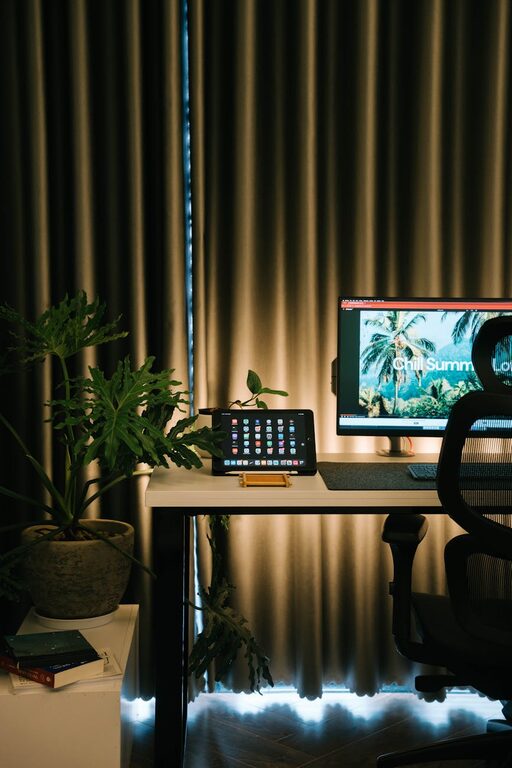
Tips for Creating a Relaxing Home Office Environment
Creating a relaxing home office environment is essential for maintaining focus, reducing stress, and enhancing overall productivity. Since more people are working from home than ever before, having a dedicated workspace that feels comfortable and calming can make a big difference in your daily routine.
In this post, we’ll explore practical tips to help you design a home office that supports both work efficiency and relaxation.
Why a Relaxing Home Office Matters
Working in a cluttered or overly busy space can increase anxiety and lower productivity. Conversely, a well-organized and thoughtfully designed workspace encourages concentration, promotes mental clarity, and even supports your physical health.
Here are some of the key benefits of a relaxing home office:
– Better focus: A calm environment reduces distractions.
– Lower stress: A soothing space helps manage work-related pressure.
– Increased comfort: Ergonomic setups prevent fatigue and injury.
– Boosted creativity: Inspiring surroundings encourage fresh ideas.
Now, let’s look at how to create that kind of space at home.
Step 1: Choose the Right Location
Selecting where to set up your home office is the first step to relaxing workdays.
Consider Natural Light
Try to pick a spot with plenty of natural light. Exposure to daylight helps regulate your body clock, improves mood, and reduces eye strain.
Minimize Noise
Look for a quiet corner or room with minimal foot traffic. If noise is unavoidable, consider noise-canceling headphones or a white noise machine to stay focused.
Think About Privacy
If video calls or confidential work are part of your routine, a space where you won’t be interrupted will help you feel more at ease.
Step 2: Invest in Comfortable and Functional Furniture
Your furniture directly impacts your comfort and productivity.
Desk and Chair
Opt for a desk that fits your work style — whether it’s a traditional desk, standing desk, or adjustable workspace. Pair it with an ergonomic chair that supports good posture.
Add Soft Touches
Include cushions, a footrest, or even a small blanket to enhance comfort during long work sessions.
Step 3: Organize to Reduce Clutter
A tidy workspace makes it easier to concentrate and keeps stress levels low.
Use Storage Solutions
Incorporate shelves, drawers, and organizers to keep supplies and paperwork neatly stored.
Keep Essentials Accessible
Only keep items you use daily on your desk to avoid distractions and maintain order.
Regularly Declutter
Set aside a few minutes each week to clear out unnecessary items and straighten your space.
Step 4: Incorporate Calming Colors and Decor
Colors and decor can influence your mood and productivity.
Choose Soothing Colors
Soft neutrals, light blues, greens, or pastels tend to create a serene atmosphere.
Add Personal Touches
Include artwork, plants, or meaningful items that inspire and calm you without overcrowding the area.
Step 5: Bring in Nature
Adding natural elements can boost mental well-being.
Indoor Plants
Plants improve air quality and add a refreshing, calming touch to your workspace.
Natural Materials
Use wood, stone, or other natural materials in your furniture and decorations for a grounded, peaceful feel.
Step 6: Manage Lighting Carefully
Proper lighting reduces eye strain and increases comfort.
Layer Your Lighting
Combine overhead lights with task lighting like desk lamps to adjust for different times of day and tasks.
Avoid Glare
Position your screen to minimize reflections and consider using soft, warm lighting bulbs.
Step 7: Set Boundaries and Routines
A relaxing home office isn’t only about the physical space but also your habits.
Create Work Hours
Define your start and end times, and try to stick to them to maintain balance.
Take Breaks
Schedule short breaks to stretch, rest your eyes, or step outside for fresh air.
Separate Work and Relaxation
When work hours end, leave your workspace if possible to mentally transition out of work mode.
Step 8: Use Technology to Your Advantage
Leverage tech tools to simplify tasks and reduce frustration.
Use Cable Management
Keep cords organized and out of sight for a cleaner look.
Optimize Your Devices
Make sure your computer, internet, and software run smoothly to avoid interruptions.
—
By gradually implementing these tips, you can transform any space in your home into a relaxing office where you feel calm, comfortable, and ready to tackle your workday. Remember, the key is to balance functionality with a soothing atmosphere, making your home office a place you actually look forward to spending time in.
